If fear disrupts development, then safety is its foundation. For children to thrive—emotionally, cognitively, and socially—they must experience safety not just as an abstract idea, but as a felt reality in their bodies. Safety is not only about protection from harm; it is about the presence of trust, connection, and predictability in everyday life. Establishing safety in development involves multiple dimensions: the quality of attachment relationships, the challenges children face, the environments they inhabit, and the recognition and respect for their individual differences in development.
Attachment Relationships

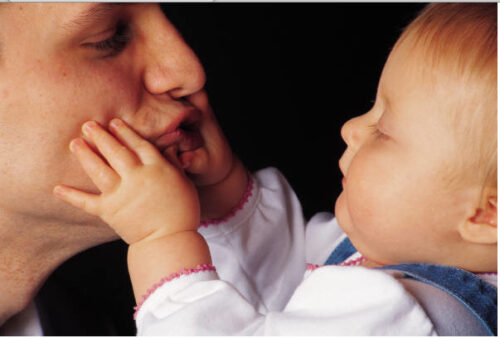
Attachment is an essential construct in the theory and research on human development. From infancy, emotional connection is a more powerful element of attachment than children’s dependency on caregivers for food and shelter. When a baby cries and a parent responds with warmth, touch, and soothing, the infant’s nervous system settles. Over repeated interactions, the child learns there is an important person I can always depend on. This expectation becomes the bedrock of trust, comfort, resilience, and security.
Attachment research distinguishes between the act of attachment—the observable behaviors of reunion, clinging, or crying—and the quality of relationship. The quality of the relationship refers to the child’s deeper sense of security, stability, and being valued. Secure relationships influence how children perceive the world. A securely attached child approaches new situations with curiosity, knowing they can return to the caregiver for comfort. An insecurely attached child may approach the same situation with fear or avoidance, uncertain whether comfort will be available.
The influence of attachment extends into school performance, peer relationships, and long-term emotional health. Children who feel secure in their relationships have greater capacity to concentrate, solve problems, and cope with loss or disappointment. Conversely, when secure attachment relationships are inconsistent or fragile, children may live in a state of underlying tension, making it harder for them to regulate behavior or trust others.
Manageable Challenges
Safety in development does not mean sheltering children from all difficulties. In fact, growth requires manageable challenges—experiences that stretch a child’s abilities without overwhelming them. The key is to place demands within the child’s zone of proximal development—the space between what they can already do independently and what they can achieve with support.
For example:
- Asking a child to fasten their own car seat may be appropriate if they have developed the strength, motor coordination and sequencing skills required. If not, the request may lead to frustration and meltdown.
- Expecting a child to transition from playtime to bedtime may be manageable if routines are clear and consistent. If routines are unpredictable, the challenge may feel overwhelming.
- Encouraging a child to participate in group activities may be enriching, but only if the size of the group and the intensity and duration of events are within their range of tolerance.
When challenges are too great, children experience failure and distress, which can trigger fear responses. When challenges are too small, children miss opportunities for growth. The art lies in finding the “just right” level of challenge—enough to build confidence and resilience, not so much that it overwhelms. When adults provide support, it is good to remember their role is to help children to do it themselves. For example, assisting a child to switch an object to their helper hand and manipulate it from their dominant hand, or providing enough curiosity and admiring affect to encourage the child’s persistence at a complex task.
Creating Compatible Physical Environments

The environments children inhabit—homes, schools, neighborhoods, and community spaces—play a powerful role in shaping their sense of safety.
- At Home: The design of living spaces matters. A child who is sensitive to noise or light may need a quiet corner or room with soft lighting. A child who is easily overwhelmed by clutter may need organized, predictable surroundings.
- In the Neighborhood: The journey to school or daycare may be filled with stressors—traffic noise, unfamiliar faces, unpredictable dogs—that accumulate as hidden burdens.
- At School: Classrooms are often designed for groups, not individual needs. A neurodivergent child may struggle with bright lights, noisy lunchrooms, or playground chaos. Without accommodations, these environments can feel hostile rather than supportive.
- In the Community: Everyday places like grocery stores, doctors’ offices, or even family vacations may present barriers. A crowded supermarket may trigger sensory overload, while a family trip may disrupt needed routines.
The question for caregivers and professionals is not only, “Is this environment safe in general?” but, “Does this environment feel safe for this specific child?” Creating compatible environments may mean adjusting lighting, reducing noise, offering sensory tools, or modifying routines to prevent overload.
Respecting Individual Differences

No two children are the same. Each has a unique sensory profile, developmental trajectory, and relational style. Respecting these differences means paying close attention to thresholds—the point at which stimulation becomes overwhelming. For some children, a playful tickle is delightful; for others, it is unbearable. For some, background music is calming; for others, it is distracting or irritating.
Respect also extends to the differences between children and their parents. A parent who enjoys loud social gatherings may find it difficult to accept a child who becomes anxious in crowds. Without awareness, the mismatch can lead to tension, with parents pushing children into environments that exceed their thresholds. Caregivers who learn to accommodate differences—by lowering demands, adjusting environments, or pacing activities—communicate acceptance and safety.
Respecting individual differences does not mean lowering expectations indefinitely. It means scaffolding experiences so that children can expand their capacities without becoming flooded by fear. It is about creating conditions where growth is possible because safety is preserved.
Safety as the Foundation of Growth
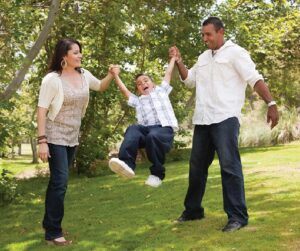
Establishing safety in development is not a one-time event but an ongoing process. It requires attunement to the child’s needs, flexibility in adapting environments, and patience in balancing challenge with support. Safety allows children to explore, to risk, and to recover from mistakes. Without safety, exploration becomes terrifying, risk feels unbearable, and mistakes lead to shame rather than learning.
By fostering secure relationships, offering manageable challenges, creating supportive environments, and respecting individual differences, adults provide the fertile ground from which resilience and regulation can grow.
return to Exploring Difficult Behavior main page: