
Early Childhood Mental Health from ZERO TO THREE: Babies and young children thrive when they are cared for by adults that are “crazy about…

Sara Chapman, MA Educational and DIR®/Floortime Consultant. . . Parents of children with special needs are often looking for extracurricular activities to participate…

Sara Chapman, MA is an Educational and DIR® Consultant in private practice in the San Francisco Bay Area. Starting preschool brings new learning…
“D” Developmental A developmental approach is founded on work by major developmental theorists such as Piaget, Vygotsky, Erikson, and Kohlberg. A developmental approach considers behavior…
“I” Individual Difference In the 1970s Jean Ayres pioneered discoveries about innate sensory processing differences. This provided a new way of understanding movement and regulatory…
“R” Relationship and Affect Developmental models have evolved from many years of discovery in the field of infant mental health. Beginning in the 1950s, there…
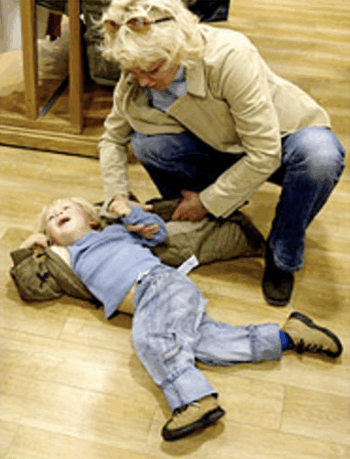
1. What does it mean, and how do we respond? Introduction Every child, regardless of background or ability, will display difficult behavior at some…
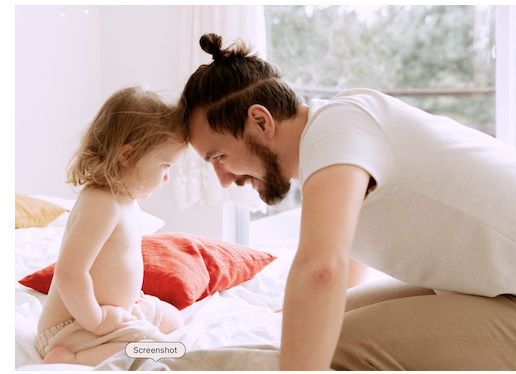
Understanding children’s behavior—especially difficult or puzzling behavior—requires more than surface observation. What looks like stubbornness, aggression, or withdrawal is often rooted in deeper developmental,…

Fear is one of the most powerful forces shaping children’s behavior. It can arise from obvious external events, like a frightening accident, but also from…
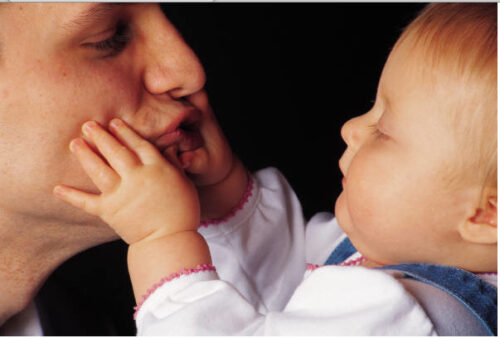
If fear disrupts development, then safety is its foundation. For children to thrive—emotionally, cognitively, and socially—they must experience safety not just as an abstract idea,…